
Full 7-Day Winter Packing List for Iceland

Some of the links in this post are affiliate links, meaning that if you click through and make a purchase, I will earn a small commission, at no extra cost to you. See our Disclosure Policy for more information.
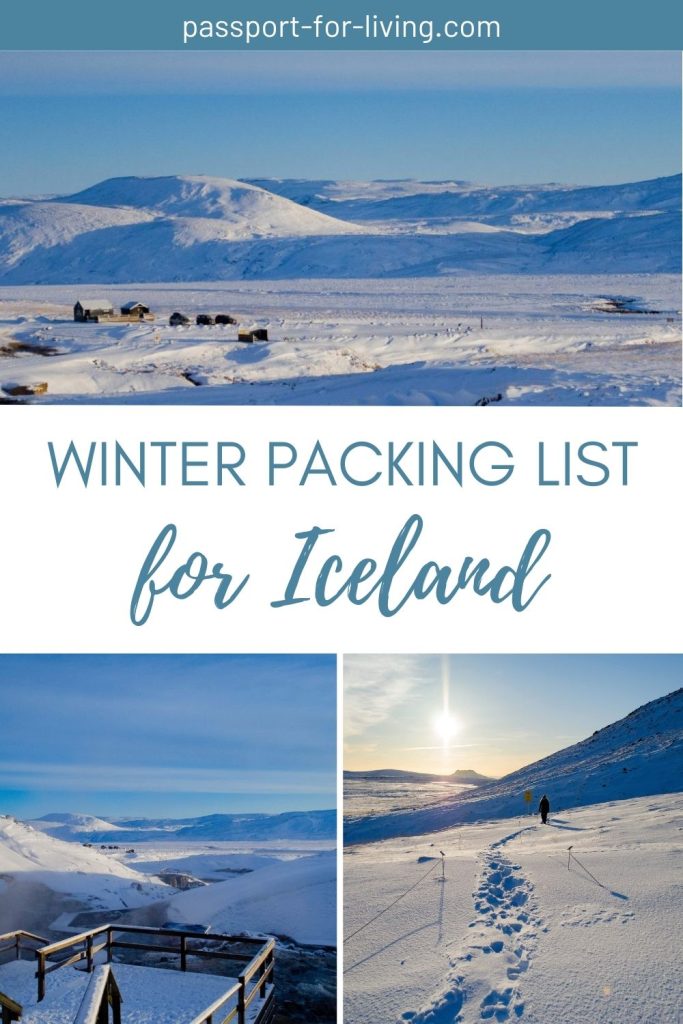
Planning a winter trip to Iceland? You’re probably asking yourself what to wear in Iceland in winter or wondering what to pack to stay warm and dry, especially if you’re packing everything into hand luggage.
Winter is an incredible time to visit Iceland, but you’ll need to be prepared for all conditions. Iceland’s weather is temperamental, with conditions changing rapidly. When I travelled to Iceland, I experienced it all – snowstorms, strong winds, heavy rain and sunshine all within 7 days.
Even so, I managed to stay warm, dry, and comfortable, packing everything I needed into one carry-on bag.
In this winter packing list for Iceland, I’ll show you exactly what to bring based on what I actually used – and what I wish I’d left behind (Hint: you don’t need crampons!).
Whether you’re hiking glaciers, chasing waterfalls, or just trying to stay cosy while sightseeing, this list will help you pack smart and be ready for whatever Iceland throws your way.

How Cold are Icelandic Winters?
There is a common misconception that Icelandic winters are always sub-zero, but you may be surprised to know that winters in southern Iceland aren’t always very cold.
Average temperatures in Reykjavik in January are around 0°C thanks to the Gulf Stream, but the wind chill can make it feel much colder, so layers and windproof clothing are vital.
The weather in Iceland changes rapidly, no matter the season. There is a saying in Iceland: ‘If you don’t like the weather, just wait five minutes.’ So, it’s important to be prepared for quickly changing weather conditions and adapt accordingly.
Layering up means you can add or remove clothing as the weather changes, making sure you are comfortable and prepared no matter what the weather throws at you!

What to Pack For Your Iceland Trip
In addition to the standard items such as toiletries, pyjamas, underwear, haircare and skincare, you’ll need to include the following items on your winter packing list for Iceland.
Waterproof Trousers
Whether you’re visiting Iceland in winter or summer, you’ll need to pack waterproof trousers if you plan to visit some of Iceland’s famous waterfalls. The beautiful waterfalls are best enjoyed up close, which means you’ll get soaked by the spray. It’s also a good idea to carry waterproof trousers with you in case of any sudden downpours.
Wearing waterproof trousers before walking close to the waterfall meant I could enjoy Iceland’s natural beauty without worrying about sitting in soaking wet clothes all day.
I bought some waterproof Regatta trousers from Amazon and I’d highly recommend them! They’re a great price at only £13.99, they were completely waterproof and took up very little space in my hand luggage.

Warm Windproof Coat
I strongly recommend packing a warm, windproof coat. The wind chill in Iceland can make it feel much colder than it actually is, so a warm windproof coat, such as a down jacket, is an essential item on your winter packing list for Iceland.
This is something you can wear on the plane, so it doesn’t take up space in your hand luggage.
Always make sure to buy a coat that is a little loose so you can add warm layers underneath!

Waterproof Coat
The only problem with down jackets is that they are typically not waterproof. Space wise it may be better to take one jacket that is both warm, windproof and waterproof, but as I love my down jacket so much, I decided to take an extra waterproof coat to wear over the top of the down jacket if needed.
The good thing is, down jackets pack up extremely small and don’t take up too much space in your carry-on. I love my Bergaus waterproof coat and have used it for years. It’s very waterproof and has always kept me dry!
Windproof Touchscreen Gloves
You’ll need a good pair of gloves in Iceland, especially if you’re planning snow or ice-based activities such as glacier hikes and ice cave tours. The wind in Iceland can make it feel much colder than it is, so ensure you have warm, windproof gloves to keep your fingers nice and toasty.
I packed a basic pair of ski gloves, which I used for a snowboarding trip last year, but I now use a pair of touchscreen gloves which allow you to use your smartphone without having to remove your gloves. If you have to keep removing your gloves to check directions or messages, your fingers will get cold no matter how good your gloves are!
Waterproof or water-resistant gloves aren’t essential unless you know you’ll be hiking in the rain or taking part in snow-based activities.

Woolly Hat and Scarf or Snood
Another obvious choice to add to your Iceland winter packing list is a warm hat. I recommend packing a waterproof, thermal hat to keep you warm while exploring Iceland. I recommend a Merino wool hat if you can afford to splurge, or a simple beanie hat such as this one.
I also took a multifunctional scarf, which works as a snood or headband for the days when we were hiking. I didn’t always want to carry a huge scarf with me, so the hiking snood was perfect for keeping me warm, without being too heavy and cumbersome. A thick wool scarf is also a good option, as wool is great for insulation.
Waterproof Hiking Boots
Even if you don’t plan on doing a lot of hiking, you’ll still be walking on uneven ground that may be icy, so be sure to invest in a good pair of waterproof hiking boots with good grip for your Iceland packing list.
If you plan to buy new hiking boots for this trip, break them in before you go, so you don’t have to worry about blisters during your trip. Also, ensure you buy boots that are big enough to wear at least two pairs of thermal socks. If you’re worried about packing space, wear your hiking boots on the plane.
I have worn these Salomon X-Ultra Gore-Tex Hiking Boots for years. They last ages, are super comfortable and completely waterproof. Every time I wear them out, I buy a new pair! They have great grip on the bottom and are very supportive for walking on uneven ground.


Thermal Underwear, Base Layers and Socks
Although it might seem that normal cotton clothing would suffice, under so many layers, you’ll need breathable thermal layers that wick away sweat quickly, keeping you warm and dry.
I love my ethical merino wool base layers! If you’re travelling for longer than three or four days, I’d recommend investing in at least two pairs of thermal leggings and merino wool tops – one to wash and one to wear.
Don’t forget to pack merino wool socks too! They may seem expensive, but they are extremely warm and comfortable. Merino wool wicks away sweat, which can reduce the risk of blisters forming on long hikes.
T-Shirts, Jumpers and Fleeces
Layers are extremely important for Iceland’s changeable weather conditions. You’ll want to include at least two additional layers over your thermal base layer, such as a t-shirt and a fleece or hoodie.
Of course, only taking hand luggage meant I had limited space, so I took four t-shirts with me, one hoodie and one polar-neck jumper. I highly recommend you pack lightweight, quick-drying t-shirts and tops that wick away sweat. If you’re going to be doing a lot of walking and exploring, cotton t-shirts hold sweat and can get very uncomfortable over the course of the day.

Hiking Trousers
I recommend including a pair of lightweight, quick-drying hiking trousers on your Iceland packing list. Hiking trousers are more comfortable than jeans and dry much quicker if you’re caught in a shower.
I love my Revolution Race hiking trousers, but if you’re looking for a budget-friendly option, these lightweight, quick-dry walking trousers are a great alternative.
I would recommend packing two pairs of hiking trousers to ensure you have options if one pair get dirty.
Jeans
I wore a pair of jeans on the plane and packed a second pair of jeans in my carry-on for days where we’d be doing less hiking or going out in the evening to a bar. In hindsight, I could have survived with one pair of jeans and two pairs of hiking trousers for 7 days in Iceland.
Jeans get very heavy and uncomfortable when wet, so if you have to choose one or the other due to lack of space in your luggage, I would take hiking trousers and leave the jeans at home.

One ‘Going Out’ outfit
Reykjavik is one of the only cities I’ve been to in which you can wear hiking gear all day and all night and not look out of place. That being said, if you do decide to go out on the town, you may want to add a ‘smarter’ outfit to your packing list for Iceland.
By smarter, I mean jeans and a semi-nice top or jumper that you wouldn’t mind wearing in a bar or restaurant. Also, rather than wearing my hiking boots in the evenings, I packed a pair of smarter boots for wandering around the city.
If you’re not bothered about going out to fancy bars and restaurants, you can skip this item on your Iceland packing list.

Swimsuit
It’s strange to include a swimsuit on the same list as thermal base layers and waterproof coats, but you’ll kick yourself if you don’t add a swimsuit to your packing list.
If you plan on visiting one of Iceland’s geothermal pools, such as the Blue Lagoon or a natural hot spring in the mountains, you’ll need a swimsuit.
Microfibre Towel
I very rarely travel with a towel, as most hotels and Airbnbs have towels available now, but you’ll need to bring a towel to Iceland if you plan on visiting a natural hot spring such as Reykjadalur. I suggest a lightweight microfibre towel that packs down small and dries quickly.
If you’re planning to visit a spa such as the Blue Lagoon, towel hire is usually included in the ticket price.

Backpack
You’ll need a backpack big enough to carry a change of clothes, a bottle of water, a camera and, if you’re travelling around Iceland on a budget, a supply of food for the day. If you purchase a waterproof rucksack to protect your gear from the changing Icelandic weather, even better!
I love my Osprey day pack, which is the perfect size for a change of clothes, a bottle of water, a camera and some food.
Reusable Water Bottle
Carry a reusable water bottle rather than buying single-use plastic bottles to reduce your impact on the planet. The water in Iceland is very pure and fine to drink straight from the tap, so rather than buying water bottles, take a reusable water bottle and fill it up each day.

Flashlight/Head Torch
With only 5 hours of daylight in Iceland in winter, chances are you’ll be out and about before the sun rises or after it sets. Pack a small flashlight or head torch and keep it in your backpack handy, just in case you find yourself in need of a light source. This also comes in handy when out searching for the northern lights, as you’ll need to see your camera to get the settings right.
Smartphone and eSIM
Of course, you’ll want to take your smartphone with you. I have recently started using eSIMs when travelling abroad, and they have been a game-changer as you don’t have to waste time buying a SIM at the airport, or rack up huge roaming charges on your normal contract.
I recommend using Sim Local in Iceland. It’s very easy to set up and is a very cost-effective way to ensure you can access data on the go. I’ve tested Sim Local’s eSIM in Europe and the UK and always had great service and coverage.

Portable Charger/Power pack
In this day and age, it’s almost impossible to travel without your phone. A portable charger and power pack are a great way to maintain peace of mind that you’ll also have some juice in your mobile phone battery in case you need to check directions or call for help!
In cold weather, smartphone batteries drain quickly. My smartphone had 60% charge, only for the battery to drain within a few minutes due to the cold! I didn’t have a portable charger with me, so I missed out on taking pictures of one of the hikes we did due to my mobile being dead!
Make sure you purchase a power pack, such as this one, that can charge your phone more than once, just in case.
Travel Adaptor Plugs
Iceland has European-style two-pin plugs, so you’ll need a travel adaptor like this. If you have a lot of electronic items to charge (smartphone, laptop, camera, etc), the travel adaptor linked above is a great option as it offers multiple USB ports.

Optional: Camera and Tripod
I travel with a Nikon D7000 DSLR camera and a small tripod to ensure I can capture amazing travel photos and memories. If you’re not into photography and are happy with taking photos on your smartphone, you can skip this option.
If you are interested in investing in some photography gear, it’s also worth learning how to operate a basic DSLR to get the best out of it. Researching some basic photography tips, such as how to manage aperture, shutter speed, and ISO, can make a world of difference, rather than simply sticking it on Auto and hoping for the best!
If you’d like to photograph the Northern Lights, you’ll also need a tripod to get the perfect shot!
Additional photography items you’ll need to pack include memory cards, additional batteries and a decent camera lens, such as a Nikon 18-55mm kit lens. This is a low-cost lens to get you started with photography.
Optional: Thermos/Flask
If you want to save money and have space in your carry-on, you could pack a thermos and take soup or hot drinks out with you each day. Filling up a flask is a great way to save money on tea and coffee while out and about!
This is especially useful if you’re planning to hire a car and drive around Iceland – you can stop whenever you like at a beautiful viewpoint and enjoy a hot drink!
If you do plan to hire a car, I highly recommend using Discover Cars to compare prices across multiple car rental companies. I always use Discover Cars and find that they offer the best deals.

What to Leave Off Your Iceland Winter Packing List
Crampons
I included crampons on my Iceland winter packing list and wish I had left them at home! I didn’t use them, despite taking them with me every day.
Originally, I wanted to buy a pair with metal spikes, but these are not allowed in hand luggage for obvious reasons, so I opted for these crampons from Amazon instead. The ground around the waterfalls can become extremely slippery if the temperature drops below freezing, so I decided to pack them in my carry-on just in case.
If you’re going to book winter hiking activities, such as hiking on a glacier, the necessary equipment, such as crampons, is included in most ticket prices, so you won’t need to pack them unless you’re going to be going off-grid without a tour guide, which I wouldn’t recommend!
Umbrella
Rather than using a cumbersome umbrella that will likely break in the strong Icelandic wind, opt for waterproof and windproof clothing instead!

Items Made From Cotton
If you’re planning an evening out to a nice bar or restaurant in Reykjavik, you could take a cotton top and jeans, but if you’re not planning to do this, opt for lightweight, breathable items instead! Cotton gets heavy and absorbs sweat, so it’s not ideal for cold temperatures where you may be sweating under all the layers.
Opt for Merino wool base layers, or at the very minimum, budget hiking clothing that is lightweight and dries quickly!
Iceland Winter Packing Tips
Packing for Iceland in a small carry-on can be tricky. Here are my top tips for packing effectively!
- Wear the bulkiest clothing and hiking boots on the flight.
- Check the weather forecast in Iceland ahead of time so you only take what you need!
- Take everything you need with you – it’s expensive to buy things in Iceland.
- Check if your hostel or accommodation has washing facilities – this means you can wash clothing as you go and reduce the amount you have to take with you.
- Take Merino wool clothing – Merino wool is very hygienic and needs to be washed less than cotton clothing, as it doesn’t hold odour, which means you can travel with fewer items!
Where to Stay in Iceland in Winter
If you’re planning a trip to Iceland in winter, you’ll likely want to stay in Reykjavik, as it makes a good base for exploring the South of Iceland.
Budget Accommodation
Nordic Hostel – beds in shared dormitory rooms for budget travellers. The hostel is located in the centre of Reykjavík and provides a shared lounge, free WiFi and a bar.
Grettir Guesthouse – private rooms in a guesthouse in a great location in central Reykjavik. Only a 5-minute walk from Hallgrimskirkja Church.
Mid-Range Accommodation
Downtown Reykjavík Apartments – these self-catered apartments are best for those who want to save money on eating out!
Alva Hotel Brautarholt – newly renovated hotel located just 328 feet from the popular Laugavegur shopping street.
Luxury Accommodation
Hotel Kriunes – 4-star hotel located 13km outside the city with beautiful scenic views over Lake Ellidavatn.
Hotel Ísland – Spa & Wellness Hotel – Featuring a wellness centre with a spa, beauty salon and yoga facilities, this hotel is 600 m from Reykjavik’s main street, Laugavegur.


I’ve been to Iceland only one time, but I would have definitely grabbed some hand warmers If someone showed me your blog post earlier. I think your article is very helpful and educationsl, especially for newbies!
Great list! The thermos is a great idea and something I never would have thought of. Thanks!